Six years ago, Doug Tallamy asked a thought-provoking question. What could we gain if we converted half of the lawns in America – 20 million acres – to native landscapes?
An entomologist, conservationist, and professor at the University of Delaware, Tallamy is best known for his books Bringing Nature Home and Nature’s Best Hope. His research and advocacy have inspired thousands of people around the country to plant native trees, shrubs, and gardens in their yards to support birds and pollinators, protect water resources, and rebuild wildlife habitat. Restoring 20 million acres of habitat, Tallamy noted, would be like creating a huge new National Park that stretches across the United States from one coast to the other.
Today, the “Homegrown National Park” movement has grown into an established organization with staff and a suite of resources to support native landscape restoration in different ecoregions of the U.S.. More than 47,000 people have joined the movement in its first five years and these regular everyday Americans have collectively restored 170,000 acres of native habitat.
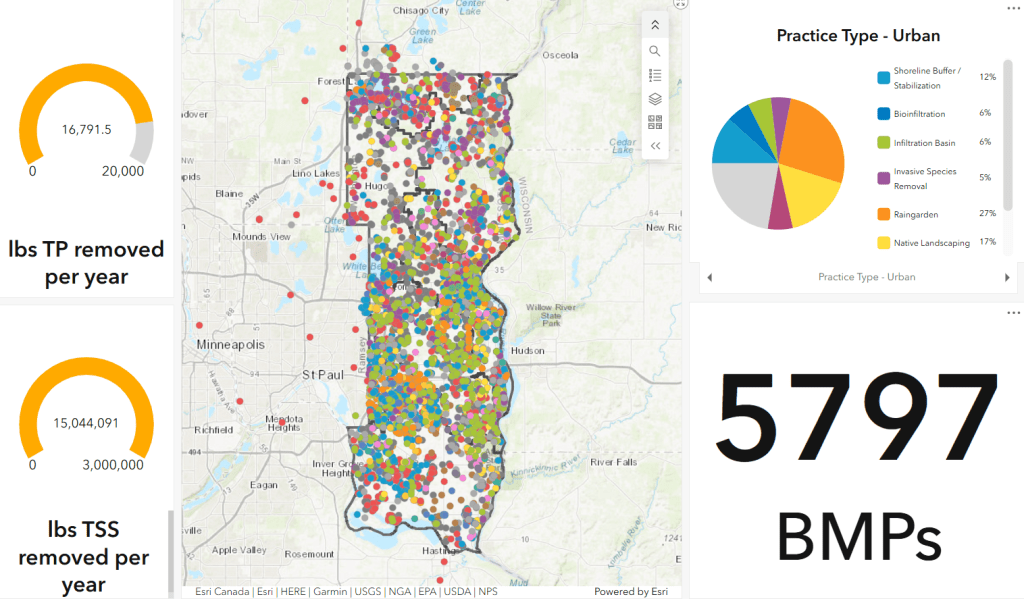
Here in Washington County, Minnesota, we’ve observed similar enthusiasm over the past twenty years as native landscaping has grown in popularity. To date, the Washington Conservation District (WCD) and local watershed organizations have supported nearly 5800 conservation projects countywide, ranging in size from small pollinator gardens, to wetland and lakeshore native plantings, and even large-scale habitat restoration efforts that transform hundreds of acres of land. These locally-led changes have helped us to remove 13 lakes from the state’s impaired waters list and rebuild wildlife habitat for species such as trumpeter swans, sandhill cranes, and heritage brook trout.
Across the country and here at home, people share similar motivations for “going native.” Homegrown National Park recently surveyed 2400 people who have planted native gardens or landscapes over the past five years. More than half reported seeing more wildlife in their yards compared with previous years, and a substantial number – roughly 20% – noted that they had successfully encouraged friends or family to plant native as well.
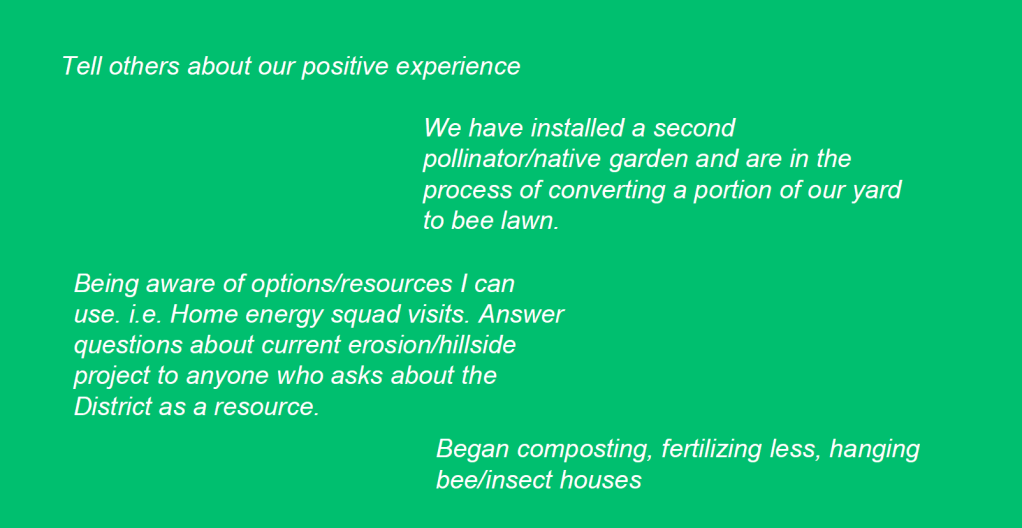
In Washington County, the WCD heard from more than 300 people last year who attended workshops, requested site visits, or completed conservation projects between 2020 and 2025. Much like the Homegrown National Park participants, our residents said they were motivated to improve wildlife and pollinator habitat and beautify their landscaping. An impressive 80% say they are more knowledgeable about local water issues as a result of participating in our programs and the same percentage say they have taken other eco-friendly actions since completing their planting projects. More than half (55%) have inspired family, friends or neighbors to pursue a conservation planting project as well.
As enthusiasm for native landscaping continues to grow, there are some common challenges. Many people say that they are limited by time, energy, and the cost of plants and materials. Additionally, gardening with native plants is a new venture for most people and our office fields many questions, such as “How do I know which native plants are best suited for my yard?” “How do I get rid of invasive species like buckthorn and garlic mustard?” and “What do I need to do to keep my native plantings looking good as they grow and evolve?”
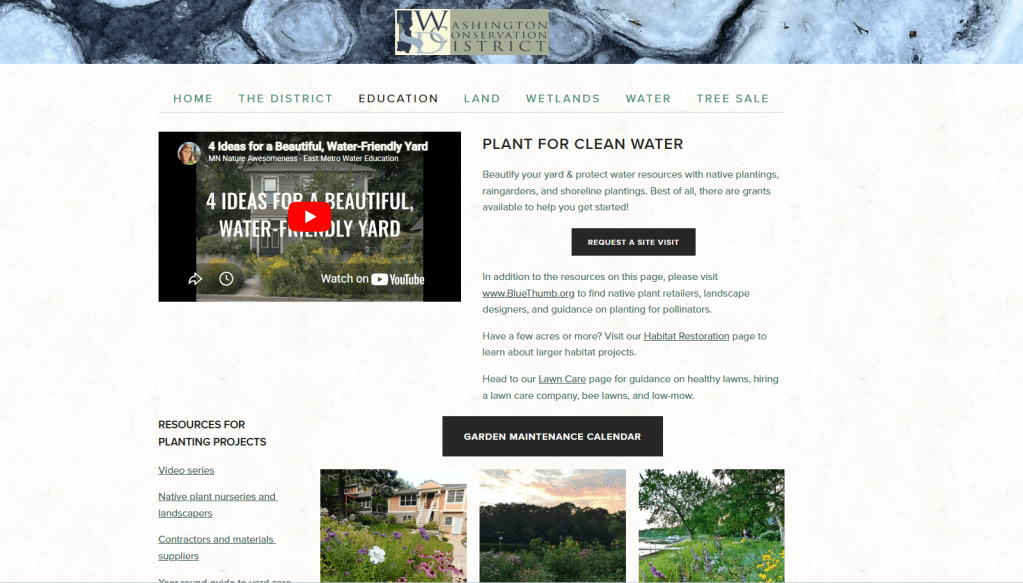
In Washington County, local partners offer a broad array of support for native landscape restoration, including stewardship grants, workshops, design assistance, and technical support. The Conservation District website – mnwcd.org – offers connections to native plant nurseries and landscapers, local garden examples, videos, and pollinator-friendly garden templates. People can also sign-up to request a free site visit or attend a design workshop. In addition, BlueThumb.org features a plant finder tool to help you select the best native plants for your yard.
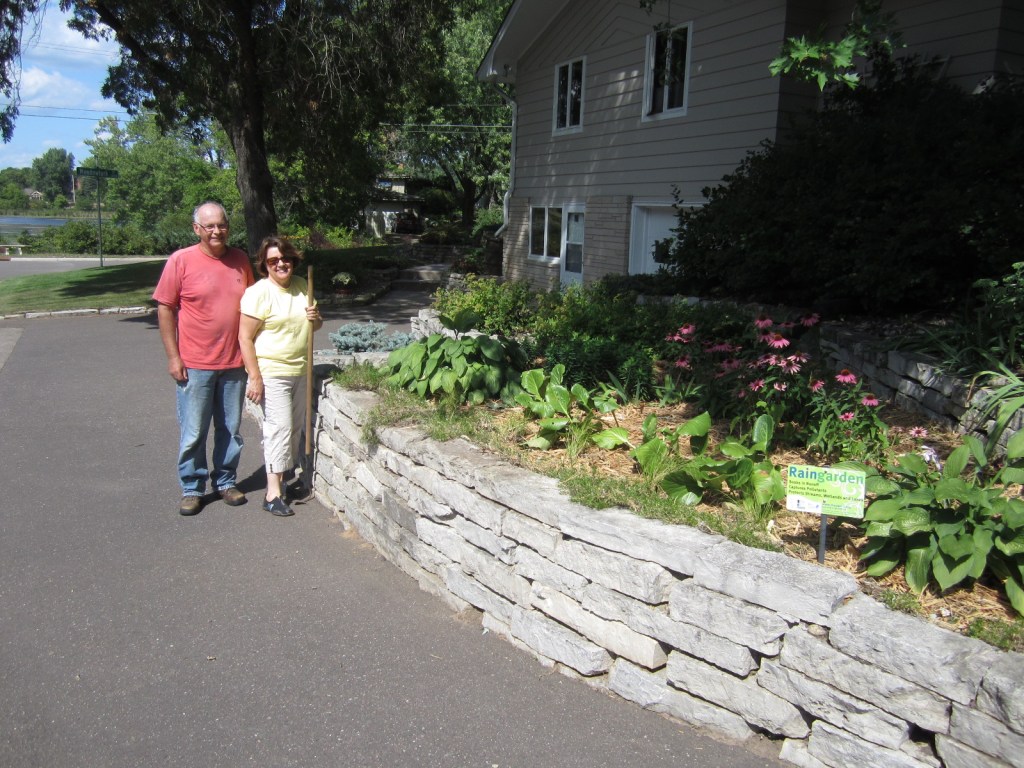
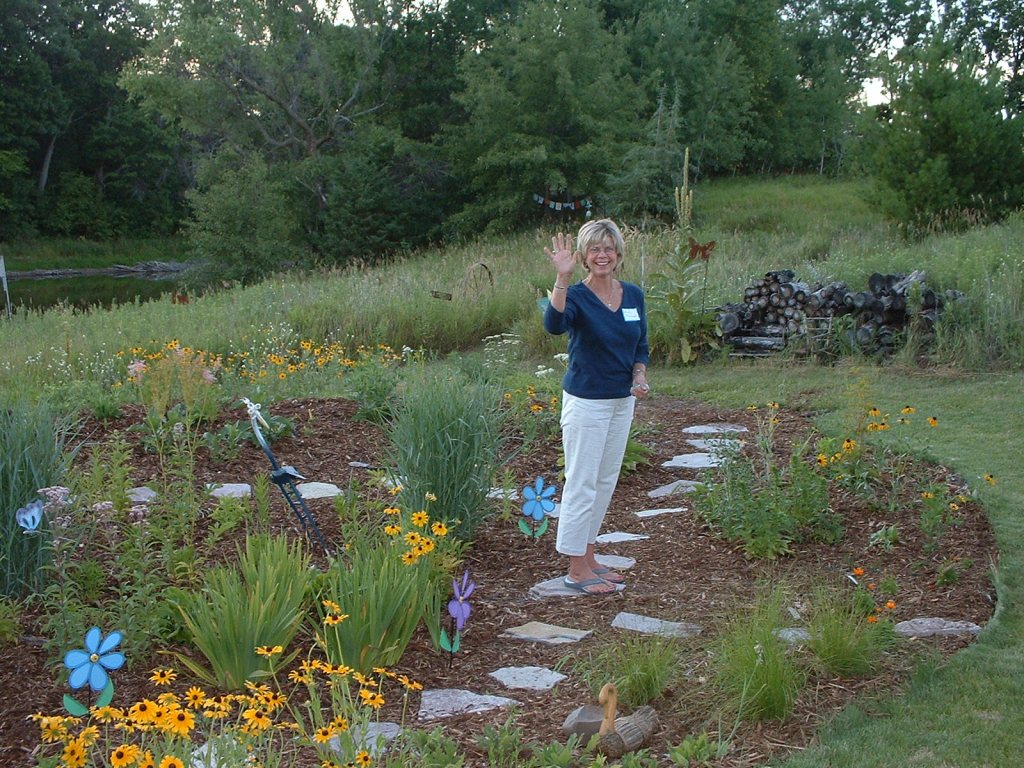
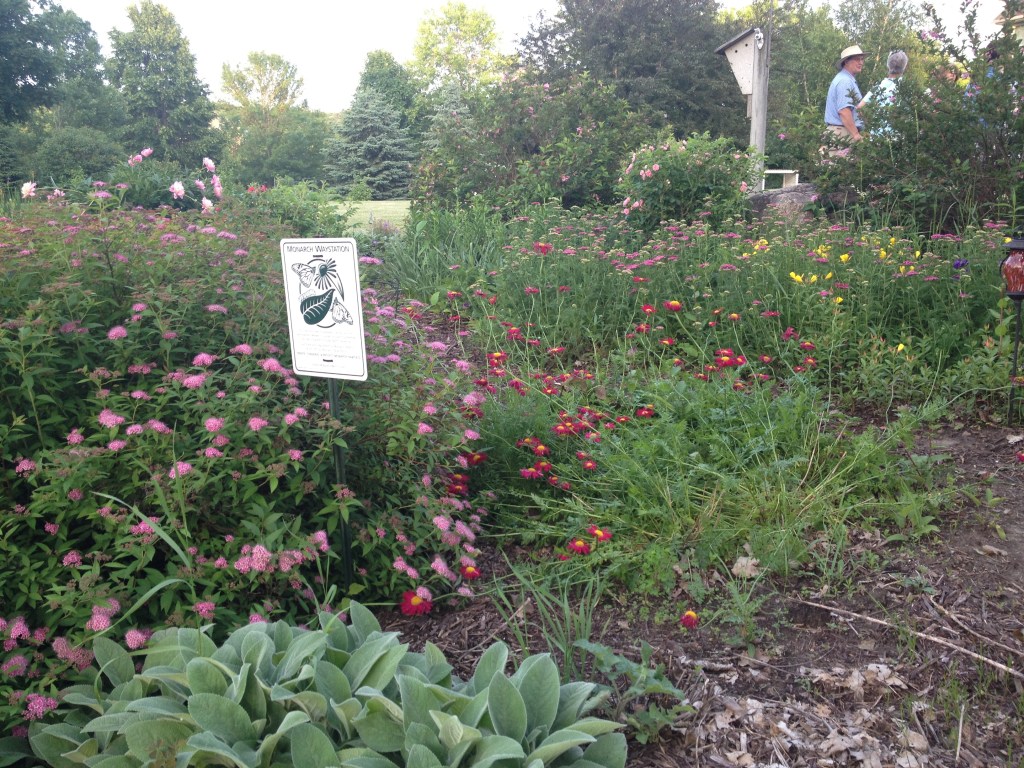
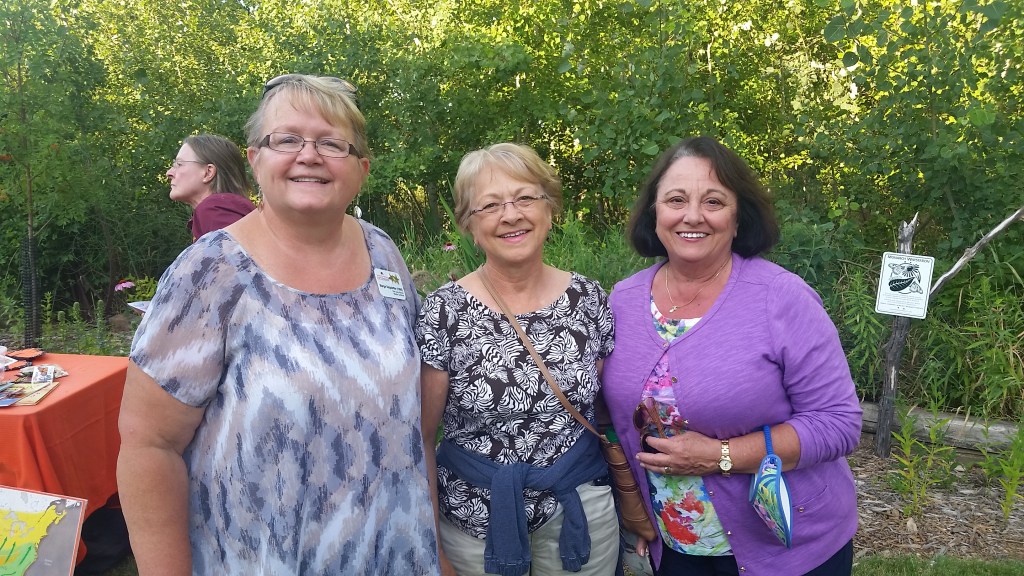
“Knowing that I am part of nature and not apart from it gives a sense of belonging and connection I think most of us seek for much of our lives,” says Cori Presutti of Connecticut, one of many people inspired by the Homegrown National Park movement. “The joy I feel when I step outside and am surrounded by the sights and sounds of all manner of life – big and small – is such a special feeling.”
To learn more about transforming your yard and join the Homegrown National Park movement, visit mnwcd.org, BlueThumb.org, or homegrownnationalpark.org.

 East Metro Water